

Failure by Design: How Bootstrap Logic Shapes Our Cities

This article is brought to you in collaboration with ThirdSpace Action Lab’s resource hub, The People’s Practice—your source for anti-racist community development research, tools, and inspiration. Visit thepeoplespractice.org to join the movement.
“If you actually had a job, you wouldn’t need EBT.”
“Only welfare queens use Section 8.”
“Pull yourself up by your bootstraps!”

Some people deeply believe that public programs and systems are NOT to be used. If you use them, “you’re in a failing situation of your own making”. You’re someone who “lacks discipline and ambition” and is “undeserving of assistance”. This bootstrap logic frames public benefit recipients as risks to be managed rather than residents to be supported, and public investment as something that must be rationed to avoid abuse. Assistance, that I’m assuming they think should be used by…no one, really.
The Story We Tell About Public Investment
For decades, public discourse has often framed poverty as a result of individual failure… not working hard enough to change one’s conditions. At the same time, government systems are widely assumed to be inefficient or wasteful, while ambition, wanting high-quality housing, good schools, reliable public transportation, or beautiful public spaces, is at times, treated as entitlement when it comes from marginalized communities.
When policymakers begin from the premise that public systems will either fail or be exploited, they tend to design them conservatively, or even defensively. Programs are structured to prevent misuse rather than serve their actual purpose. And over time, this shapes what people come to believe public investment should look like.

The result is a quiet but powerful shift: instead of asking what conditions allow communities to thrive, we ask what the minimum acceptable investment might be. And that minimum begins to define entire communities and cities.
Designing Systems to Be “Good Enough”
Rather than aiming for long-term success or quality, many systems are designed to meet a threshold of what is “good enough”.
In housing policy, this may show up in the belief that public housing shouldn’t be too comfortable, because “why would they leave"?
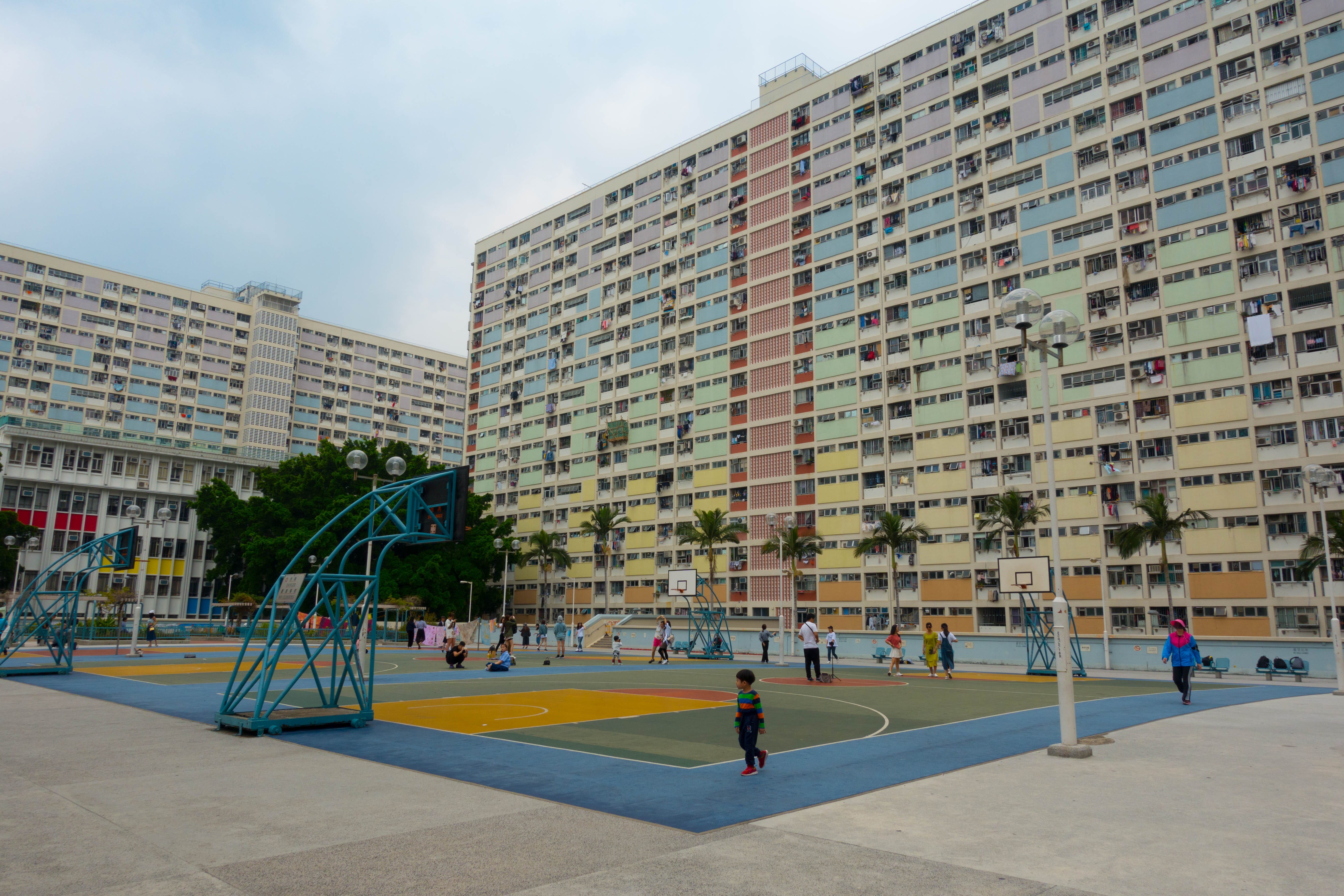
In education, transit, and public space policy, underinvestment is often framed as responsible budgeting. Schools operate in aging facilities. Transit is seen as unnecessary/largely unused (it’s all cyclical). Parks lack programming or consistent maintenance. Libraries and community centers face reduced hours or limited expansion.
Reframing the Assumption
Instead of limiting the potential of public programs by being overly concerned about “exploitation”, what if they were actually designed to serve as a stepping stone for those who need them?
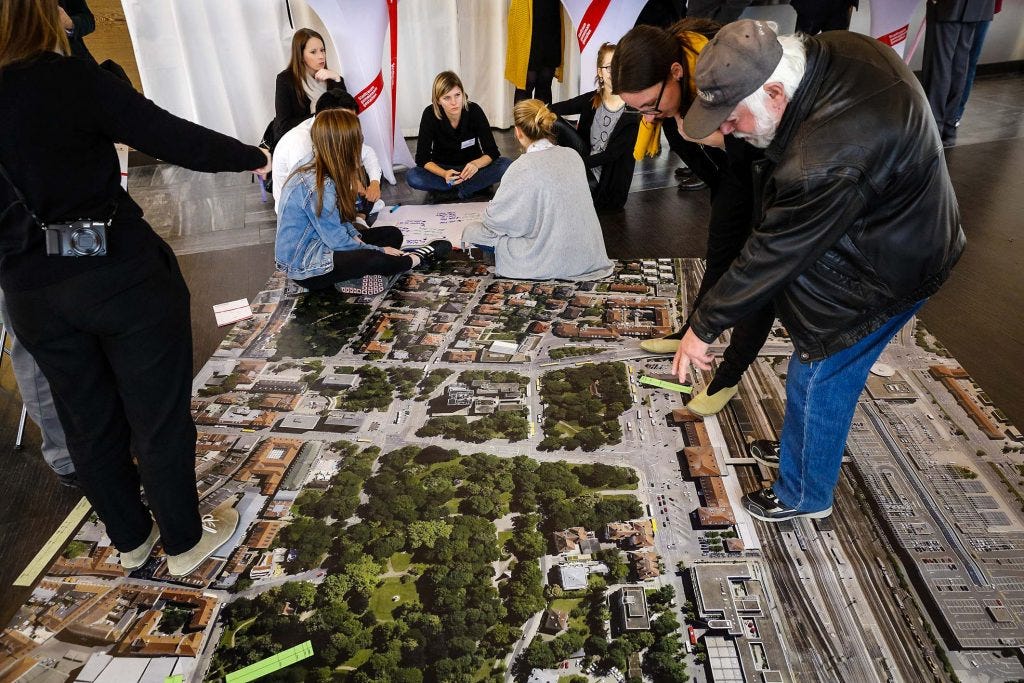
We have seen time and time again that high-quality, thoughtful public investment can transform neighborhoods: well-designed parks improve health and social connection, strong transit networks expand access to opportunity, and stable housing environments support long-term community development.
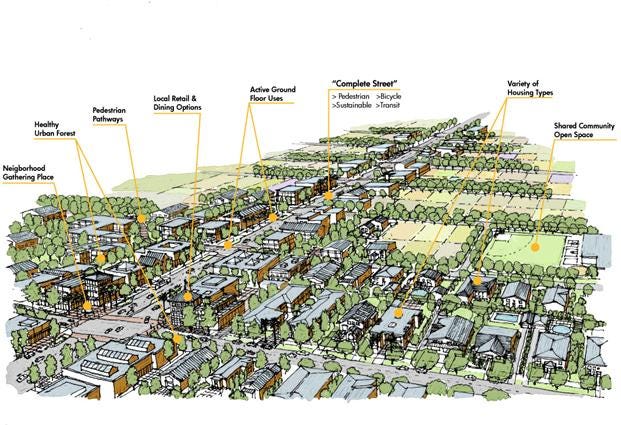
If the baseline assumption shifted from “how little can we do” to “how much can we do”, it would change how projects are evaluated, funded, and designed. And ultimately, the built environment would begin to reflect that thriving communities can be the standard, not the exception.